JTsui Lab
Integrating AI in
oncology research and
clinical practice

Welcome to the J. Tsui Lab – Where AI Meets Oncology
At the J. Tsui Lab, we are passionate about pushing the boundaries of what AI can do in oncology. From automating treatment planning to working towards personalized radiation therapy, we’re here to make a difference in the lives of patients.
About

James Tsui
BEng, MSc, MDCM, PhD, FRCPC
Dr. James Tsui is a Radiation Oncologist at the MUHC, an Assistant Professor in Clinical Oncology at the McGill University, the Director of the Radiation Oncology Clinical Trials Unit, and FRQS Junior 1 Clinician-Scientist. He is also an Associate Member of the Graduate Program in Biological and Biomedical Engineering, the McGill Physics Unit, and Surgical and Interventional Sciences.
He completed his Bachelor’s Degree in Electrical Engineering at Concordia University in 2006 and a PhD in computational neuroscience at the Montreal Neurological Institute / McGill University in 2013. He later obtained his MD degree in 2015 and completed his residency training in Radiation Oncology in 2020 at McGill University.
To further his sub-specialization training, he completed a Brachytherapy Fellowship at the Brigham and Women’s Hospital, Harvard, Boston in 2021, and a Professional Master’s Degree in Artificial Intelligence with a focus in Deep Learning at MILA / Université de Montréal in 2023.
His research interests focus on the intersection of machine learning and medicine, with the goal of bringing artificial intelligence into his oncology research and clinical practice.
Areas of Clinical Focus
-
Soft Tissue Sarcoma is a rare type of cancer that arises from connective tissues such as muscle, fat, nerves, and blood vessels. As a provincially designated supraregional sarcoma program, the MUHC sees a high volume of sarcoma cases. We provide comprehensive multidisciplinary care, with treatment typically involving a combination of radiation therapy, chemotherapy, and surgery to ensure the best possible outcomes for our patients.
For MUHC information: https://mcgillsarcoma.com/
For patient information: https://sarcq.com/
-
Prostate cancer is one of the most common cancers affecting men, originating in the prostate gland. In addition to standard treatments, we also offer numerous clinical trials to provide patients with access to the latest advancements in care.
Here is a large multi-institutional trial currently enrolling patients: NRG-GU013
-
Gynecologic malignancies include cancers of the uterus, ovaries, cervix, and other reproductive organs. At the MUHC, we provide comprehensive care for women with these cancers, using a multidisciplinary approach that combines surgery, radiation therapy, and chemotherapy.
Find out more here
Current Select Projects
Personalizing Sarcoma Treatment
Our current sarcoma project is focused on integrating AI into the radiation therapy workflow to enhance treatment delivery. In addition, we are also exploring how to safely administer higher doses of radiation to improve tumor control without increasing the risk of side effects.
Find out more here
Project supported by the Cedars Cancer Foundation
Geriatric-oncology Admission Prediction Tool
This project uses machine learning to predict hospital admissions for elderly cancer patients presenting to the emergency room. The goal is to provide a tool that would facilitate early intervention to reduce patients' length of stay in the emergency department and improve overall care efficiency.
Project supported by the MUHC Foundation
Federated Learning in Radiation Therapy
This project focuses on using a federated approach to develop a deep-learning segmentation tool for lung lesions in Stereotactic Body Radiation Therapy (SBRT). In collaboration with CISSS-CA, CHUS, and CHUM, we aim to build a model that enhances the precision of treatment while ensuring data privacy by sharing model weights across institutions rather than patient data.
Project supported by the Cedars Cancer Foundation
Multimodal AI for Bladder Cancer
This project focuses on predicting patient response to concurrent chemoradiation. By integrating various data modalities, we aim to develop an AI model that can accurately predict treatment outcomes, helping to optimize therapeutic decisions for bladder cancer patients.
Project supported by Dr. Wassim Kassouf lab and by the Montreal General Hospital Foundation
Students
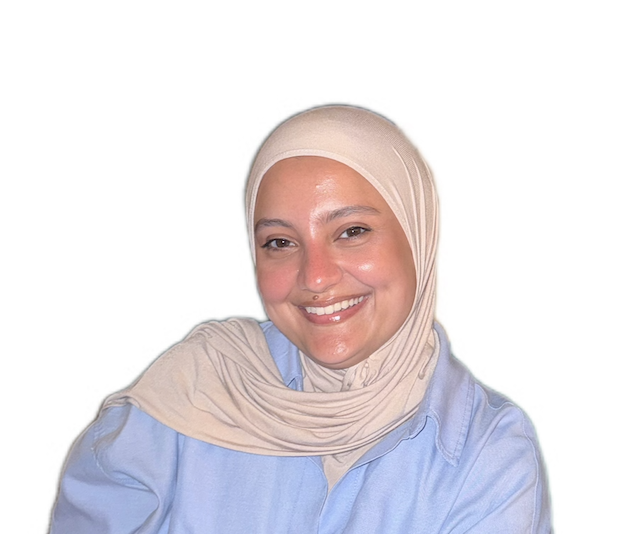
Douaa El Abiad
Douaa is a PhD student in Biological and Biomedical Engineering at McGill University, co-supervised by Dr. James Tsui and Dr. Natalia Gorelik. She is currently working on deep learning methods to identify high-risk tumour subregions in soft-tissue sarcoma. Douaa holds a BSc in Physics from the Université de Montréal and an MSc in Medical Physics from McGill, where she studied skin dose in head and neck radiotherapy. She is passionate about research in cancer imaging, medical image analysis and artificial intelligence, with the goal of improving patient treatment and quality of life.
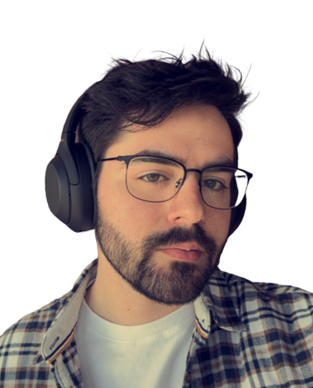
Alexi Houle
Alexi is a M.Sc. student in Biomedical Engineering at McGill University and the RI-MUHC. He completed his B.Eng. in Computer Engineering at Université de Sherbrooke, where he specialized in artificial intelligence and machine learning. His research interests include medical AI, digital pathology, and multimodal data analysis, with a focus on developing computational tools to support precision medicine and clinical decision-making. Outside of research, he enjoys reading, hiking and traveling.
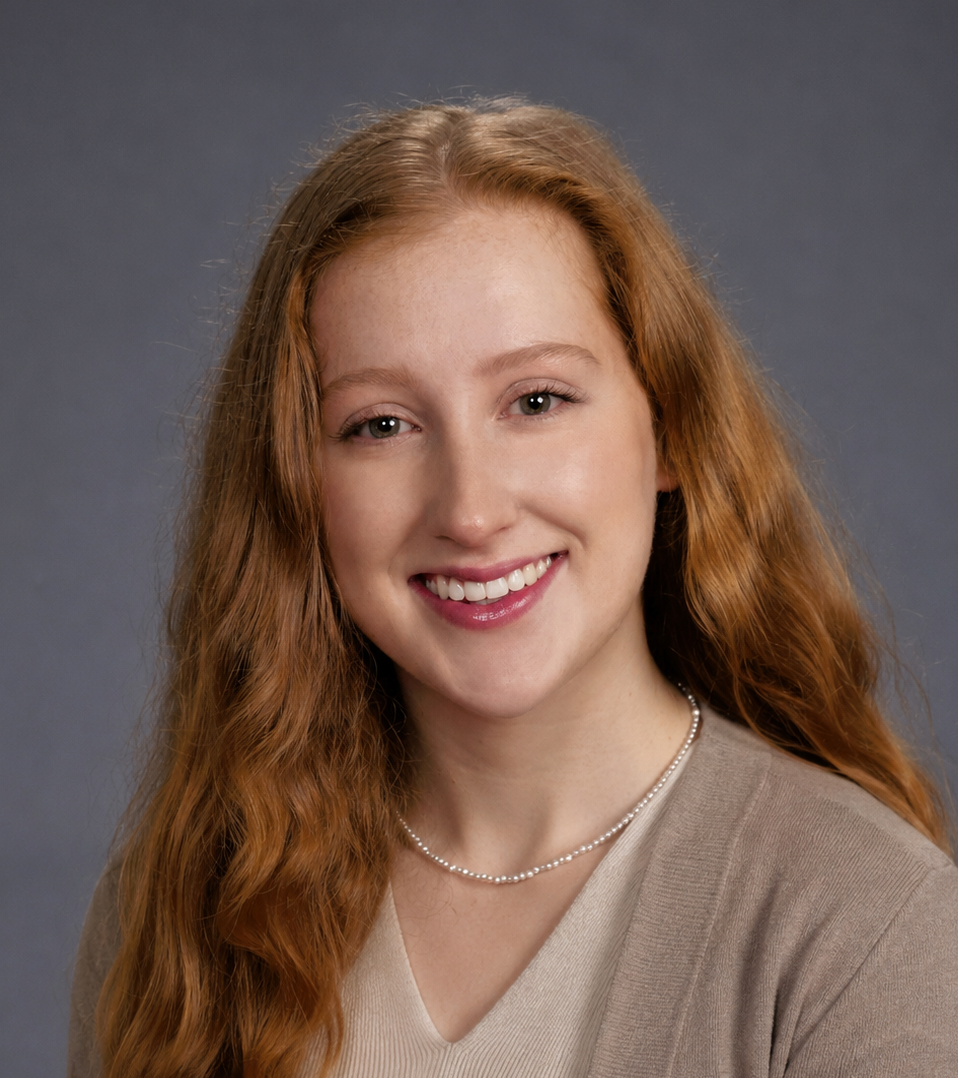
Megan McLoughlin
Megan is a Master's student in the Medical Radiation Physics program at McGill University, where she is conducting research on federated learning methods for automated lung lesion segmentation in radiation oncology. She earned her Bachelor of Engineering in Mechanical Engineering from Memorial University of Newfoundland and plans to pursue a career in clinical medical physics. Megan is interested in the intersection of medical imaging, artificial intelligence, and patient care, and enjoys exploring how new technologies can be translated into meaningful clinical impact.
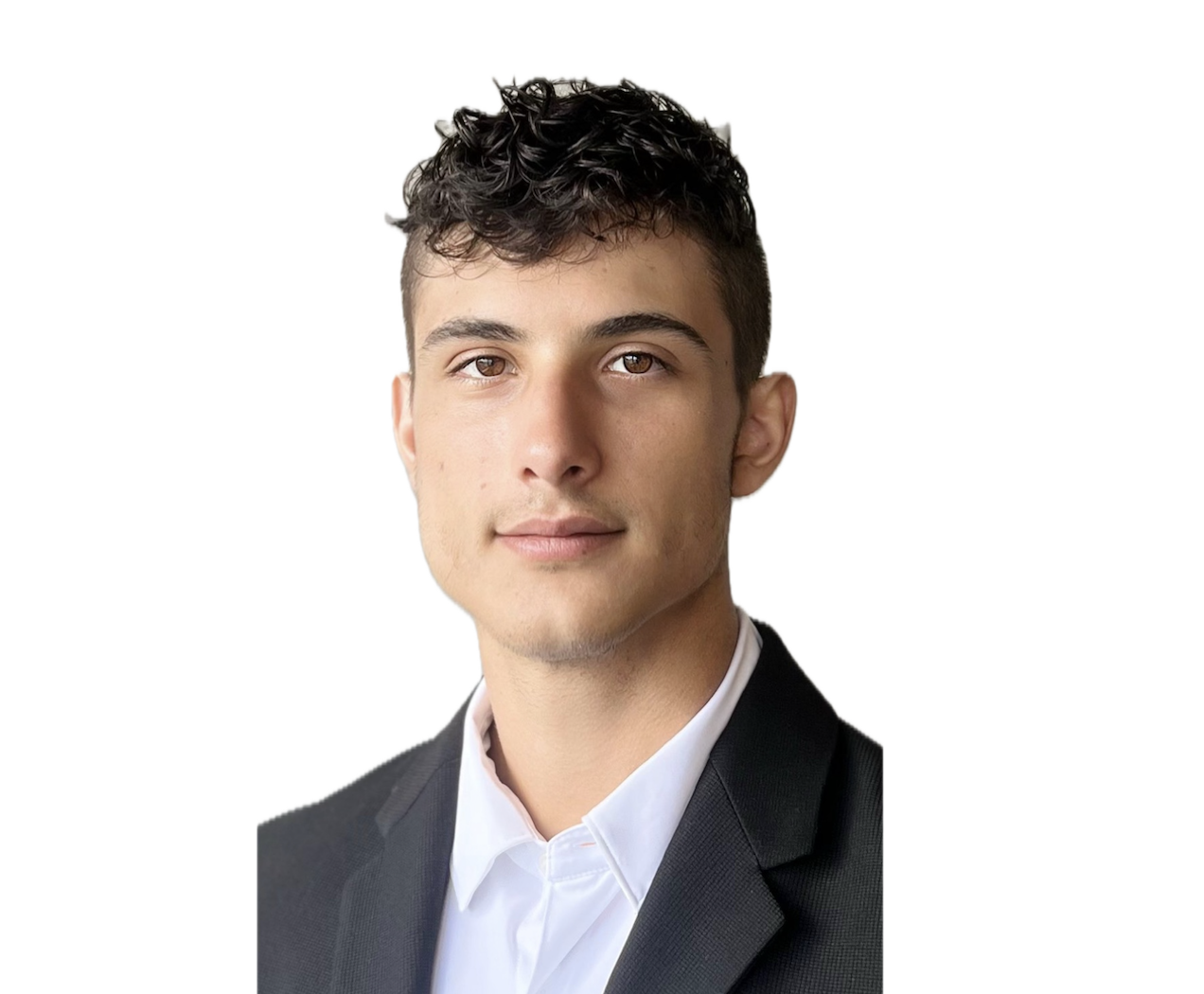
Daniele Comitogianni
Daniele is a Data Scientist at the Research Institute of the McGill University Health Centre (RI-MUHC) and a Master's candidate in Biomedical Engineering at McGill University. He holds a BSc in Computer Science from Concordia University and previously worked as a quantitative researcher. His work spans machine learning and applied NLP, including large language models, with a focus on bringing deterministic AI systems to clinical oncology workflows, and an interest in neuro-symbolic and agentic systems. His current research develops and validates a system for clinical trial eligibility pre-screening in prostate cancer, combining LLM-based extraction from bilingual clinical documents with symbolic reasoning.
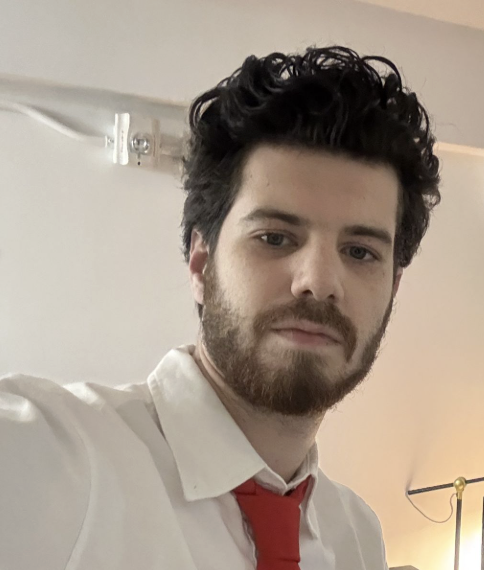
Cameron Jeffery
Cameron is an M.Sc. student in Medical Radiation Physics at McGill University, where he will be using federated learning techniques to develop AI-based medical image autosegmentation tools in collaboration with other Québec healthcare institutions. He earned his B.Sc. in Physics at McGill University, where he worked on research projects related to microwave-based medical imaging and dose visualization tools for head and neck radiotherapy. Outside of academics, he enjoys exercise, reading, and Formula 1.
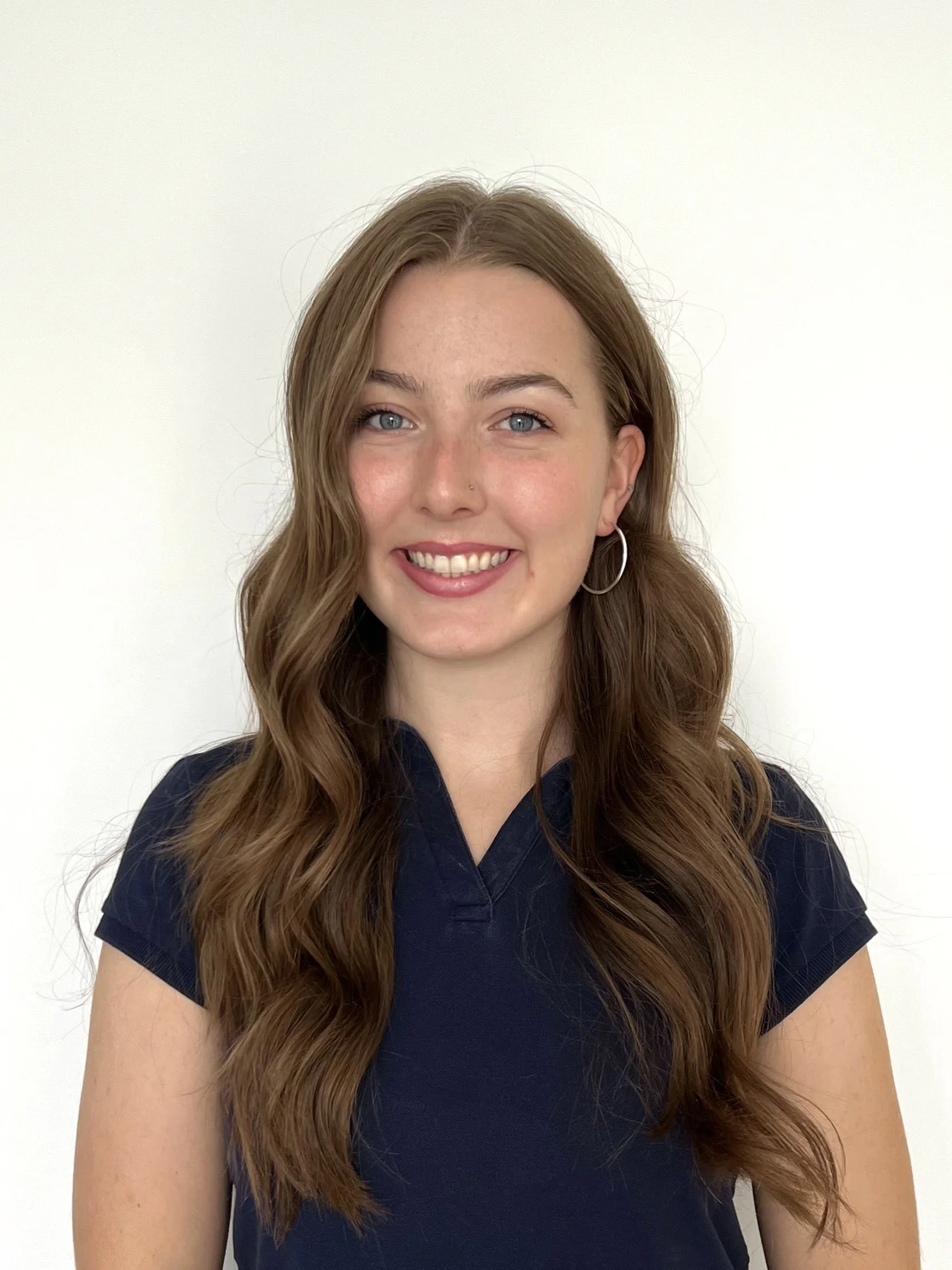
Rachel Chevalier
Rachel is a second-year master's student in the Department of Biological and Biomedical Engineering at McGill. Her project investigates the predictive power of the antibody IgA and its potential hormonal regulation in the bladder, aiming to explain sex differences in bladder cancer and to support the development of a machine learning algorithm that informs treatment protocols. Outside the lab, she enjoys crafting, discovering new music, and traveling.
Publications
-
Onichino JR, Patel D, Powell T, Tsui JMG, Saleh R and Bozzo A
Front. Oncol. 2026.
https://doi.org/10.3389/fonc.2026.1871862 -
Licoppe A, An L, Buckridge D, Robert A, Tsui JMG
JAMIA Open. 2026. https://doi.org/10.1093/jamiaopen/ooag157
-
Odisho T, Esmaeilzade S, Laskaris A, Jung S, Tsui JMG, Dumitra, S, Mitmaker E.
American Journal of Case Reports. 2026. https://doi.org/10.12659/AJCR.953580
-
Martinez C, Cury F, Duclos M, Tsui JMG, Joseph A, Patrocinio H, Souhami L, Faria S.
Practical Radiation Oncology. 2026. https://doi.org/10.1016/j.prro.2026.06.015
-
Rahbaran M, Bergmark BA, Croce KJ, Tsui JMG, Devlin PM, Enger SA
Phys Med. 2026. https://doi.org/10.1016/j.ejmp.2026.105858
-
Tzur Y, Natier E, Joseph A, Tsui J, Alfieri J.
Pract Radiat Oncol. 2026. https://doi.org/10.1016/j.prro.2026.01.005
-
Martinez C, Paragas J, Alvarado L, Cury F, Souhami L, Gauvin S, Sioufi R, Faria S, Tsui JMG, Stroian G, Marti D, Duclos M.
Radiotherapy and Oncology. 2025. https://doi.org/10.1016/j.radonc.2025.111211
-
Levin G, Ribeiro R, Ton Nu TN, Brezinov Y, Alfieri J, Tsui JMG, Nguyen PN, Gilbert L
J Obstet Gynaecol Can. 2025. https://doi.org/10.1016/j.jogc.2025.103108
-
Arezki A, Tsui JMG, Kassouf W
medRxiv 2025. https://doi.org/10.1101/2025.07.21.25331681
-
Ates O, Tsui JMG, Wooten Z, Hutcheson S, Zhang R, Becksfort J, Merchant TE, Hua CH
Advances in Radiation Oncology. 2025.https://doi.org/ 10.1016/j.adro.2025.101847
-
Thibodeau-Antonacci A, Popovic M, Ates O, Hua CH, Schneider J, Skamene S, Freeman C, Abbasinejad Enger S, Tsui JMG
Medical Physics. 2025. https://doi.org/10.1002/mp.17782
-
Adleman J, McLaughlin P-Y, Tsui JMG, Buzurovic I, Harris T, Hudson J, Urribarria J, Cail DW, Nguyen PL, Orio PF, Lee LK, King MT
Radiotherapy & Oncology. 2025. https://doi.org/10.1016/j.radonc.2025.110866
-
Rahbaran, M, Kalinowski, J, DeCunha, JM, Croce, KD, Bergmark, BA, Tsui, JMG, Devlin, PM, Enger, SA
Medical Physics. 2025. https://doi.org/10.1002/mp.17525
-
Goulet, M, Duguay-Drouin, P, Mascolo-Fortin, J, Mégrourèche, J, Octave, N, Tsui, JMG.
Int J Radiat Oncol Biol Phys. 2025. https://doi.org/10.1016/j.ijrobp.2024.12.026
-
Tsui, JMG, Menard, C.
EchoX 2024. https://issuu.com/otimroepmq/docs/echox_vol45no3_nov_2024_final?fr=xKAE9_zU1NQ
-
Hanafi, H, Freeman, C, Tsui, J, Ramia, P, Turcotte, R, Aoude, A, Bozzo, A, Cury, F.
Practical Radiation Oncology. 2024; https://doi.org/10.1016/j.prro.2024.10.008
-
Yang, D. D.; Lee, K. N.; Lee, L. K.; Tsui, J. M. G.; Leeman, J. E.; McClure, H. M.; Sudhyadhom, A.; Guthier, C. V.; Taplin, M.-E.; Trinh, Q.-D.; Mouw, K. W.; Martin, N. E.; Orio, P. F.; Nguyen, P. L.; D’Amico, A. V.; Shin, K.-Y.; King, M. T.
Radiology. 2024; Vol. 313, No. 1. https://doi.org/10.1148/radiol.240041
-
Akingbade, A; Fabi, F; Cartes, R; Tsui, J; Alfieri, J.
Current Oncology. 2024; 31(7):3758-3770. https://doi.org/10.3390/curroncol31070277.
-
Bozzo, A; Tsui, J; Bhatnagar, S; Forsberg, J.
Journal of the AAOS. 2024; 32(11):e523-e532. https://doi.org/10.5435/JAAOS-D-23-00831.
-
Tsui, J. M. G.; Kehayias, C. E.; Leeman, J. E.; Nguyen, P. L.; Peng, L.; Yang, D. D.; Moningi, S.; Martin, N.; Orio, P. F.; D’Amico, A. V.; Bredfeldt, J. S.; Lee, L. K.; Guthier, C. V.; King, M. T.
International Journal of Radiation Oncology Biology Physics. 2024; 118(1):74-84. https://doi.org/10.1016/j.ijrobp.2023.07.029.
-
Niazi, T.; Nabid, A.; Malagon, T.; Bettahar, R.; Vincent, L.; Martin, A.-G.; Jolicoeur, M.; Yassa, M.; Barkati, M.; Igidbashian, L.; Bahoric, B.; Archambault, R.; Villeneuve, H.; Tsui, J. M. G.; Mohiuddin, M.
International Journal of Radiation Oncology Biology Physics. 2023; 118 (1), 52-62.
-
Rais, F.; Tsui, J. M. G.; Daianska, A.; Faye, M. D.; Lambert, C.; David, M.; Panet-Raymond, V.; Azoulay, M.; Saidi, A.; Hijal, T.
Radiotherapy and Oncology, 2021; 162, 156–161. https://doi.org/10.1016/j.radonc.2021.07.008.
-
Khriguian, J.; Tsui, J. M. G.; Vaughan, R.; Kucharczyk, M. J.; Nabid, A.; Bettahar, R.; Vincent, L.; Martin, A.-G.; Jolicoeur, M.; Yassa, M.; Barkati, M.; Igidbashian, L.; Bahoric, B.; Archambault, R.; Villeneuve, H.; Mohiuddin, M.; Niazi, T.
Journal of Urology, 2021; 205 (6), 1648–1654. https://doi.org/10.1097/JU.0000000000001646.
-
Kucharczyk, M. J.; Tsui, J. M. G.; Khosrow-Khavar, F.; Bahoric, B.; Souhami, L.; Anidjar, M.; Probst, S.; Chaddad, A.; Sargos, P.; Niazi, T.
Frontiers in Oncology, 2020; 10, 312. https://doi.org/10.3389/fonc.2020.00312.
-
Tsui, J. M. G.; Grewal, N. K. S.; Sivapragasam, M.; Flanagan, M.; Golden, D. W.; Alfieri, J.; Mattes, M. D.
International Journal of Radiation Oncology Biology Physics, 2019; 104 (4), 773–777.
-
Fawaz, Z. S.; Kazandjian, S.; Tsui, J. M.; Devic, D. S.; Lecavalier-Barsoum, M.; Vuong, T.; Elakshar, S.; Garant, A.; Lavoie, I.; Niazi, T. M.
Cureus, 2018 10 (7), e2985. https://doi.org/10.7759/cureus.2985
-
Tsui, J. M.; Mihalcioiu, C.; Cury, F. L.
Cureus, 2018 10 (2), e2238. https://doi.org/10.7759/cureus.2238.
-
Tsui, J. M.; Pack, C. C. (2011). Journal of Neurophysiology, 2011; 106(4), 1888-900.
-
Glasser, D. M.; Tsui, J. M.; Pack, C. C.; Tadin, D.
Proceedings of the National Academy of Sciences of the United States of America, 2011; 108(45), E1080-8.
-
Tsui, J. M.; Hunter, J. N.; Born, R. T.; Pack, C. C.
Journal of Neurophysiology, 2010; 103(6), 3123-38. https://doi.org/10.1152/jn.00654.2009.
-
Khawaja, F. A.; Tsui, J. M.; Pack, C. C.
Journal of Neuroscience, 2009; 29(43), 13702-9. https://doi.org/10.1523/JNEUROSCI.2844-09.2009.
-
Churan, J.; Khawaja, F. A.; Tsui, J. M.; Pack, C. C.
Current Biology, 2008; 18(22), R1051-2. https://doi.org/10.1016/j.cub.2008.10.003.